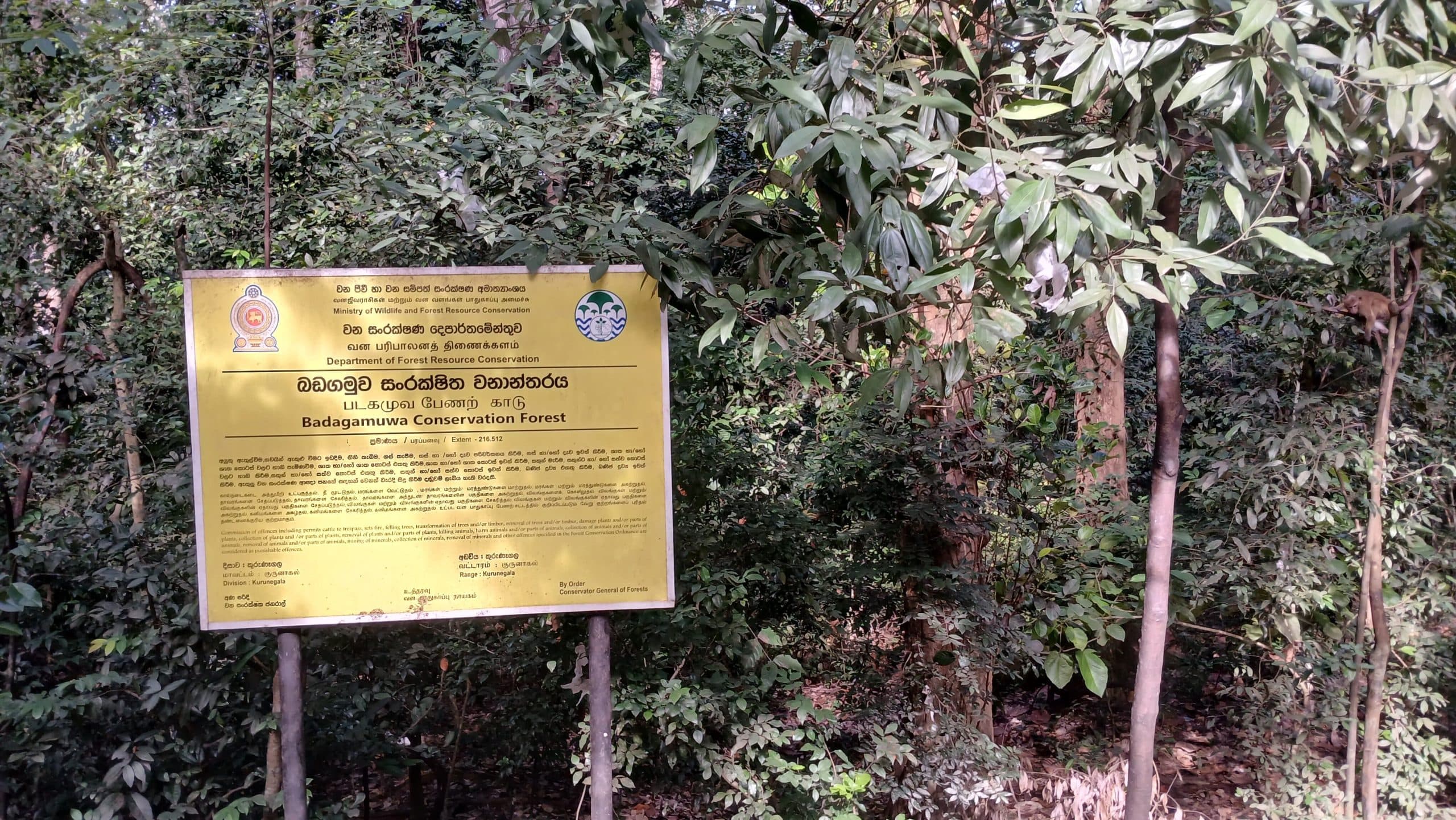
Badagamuwa Conservation Forest
Two hundred and sixteen hectares of protected forest, four kilometres from Kurunegala along the A6. Around 130 plant species and 300 animal species live here, and marked nature trails run through the reserve.
Leisure & Tourism
Forest reserves, cave temples cut in the rock, working reservoirs and a village that still carves its drums by hand.
01 / 12
Conservation forest
Two hundred and sixteen hectares of protected forest, four kilometres from Kurunegala along the A6. Around 130 plant species and 300 animal species live here, and marked nature trails run through the reserve.

Badagamuwa Conservation Forest. Item 1 of 12.
All places
Everything in the carousel above, laid out so you can scan it.

Two hundred and sixteen hectares of protected forest, four kilometres from Kurunegala along the A6. Around 130 plant species and 300 animal species live here, and marked nature trails run through the reserve.
A site traced to the reign of King Valagamba, with a cave temple built in 1930 holding an eighteen-cubit reclining Buddha. Some 106 bird species have been recorded around the water.

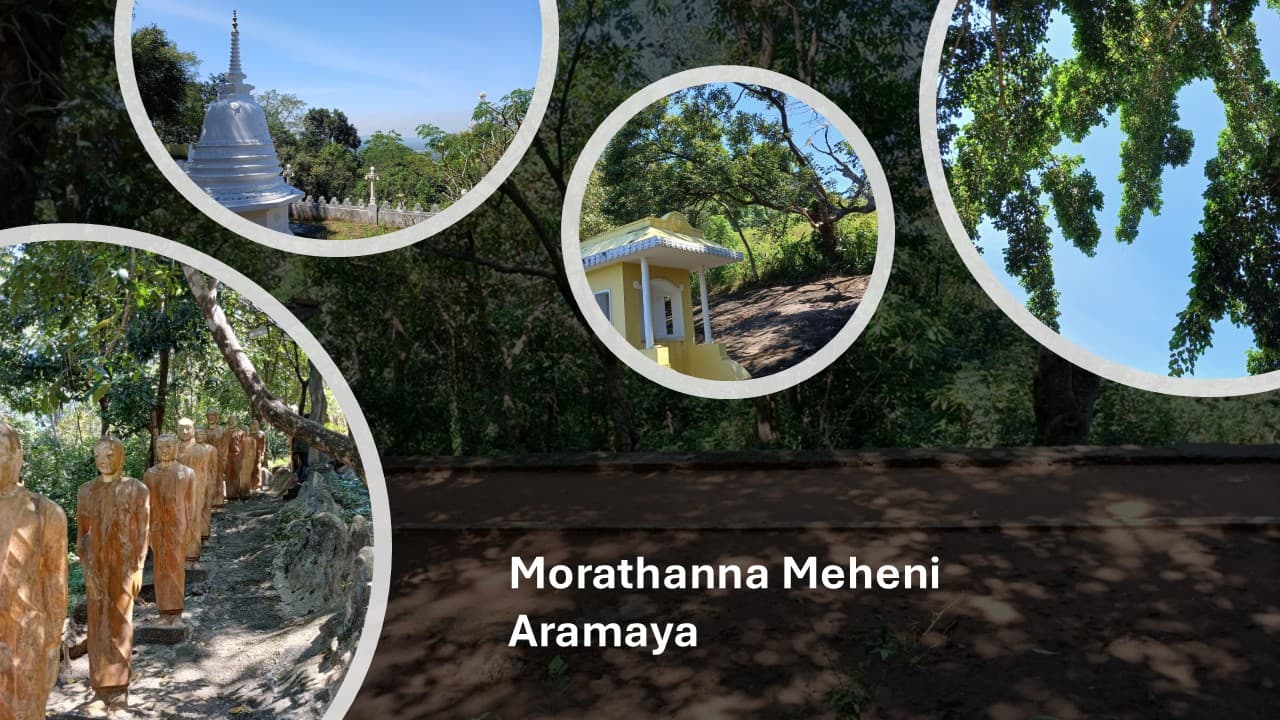
A stone terrace lined with one hundred standing Buddha statues, set among rubber plantations and rolling hills. The quiet makes it a place people come to meditate.

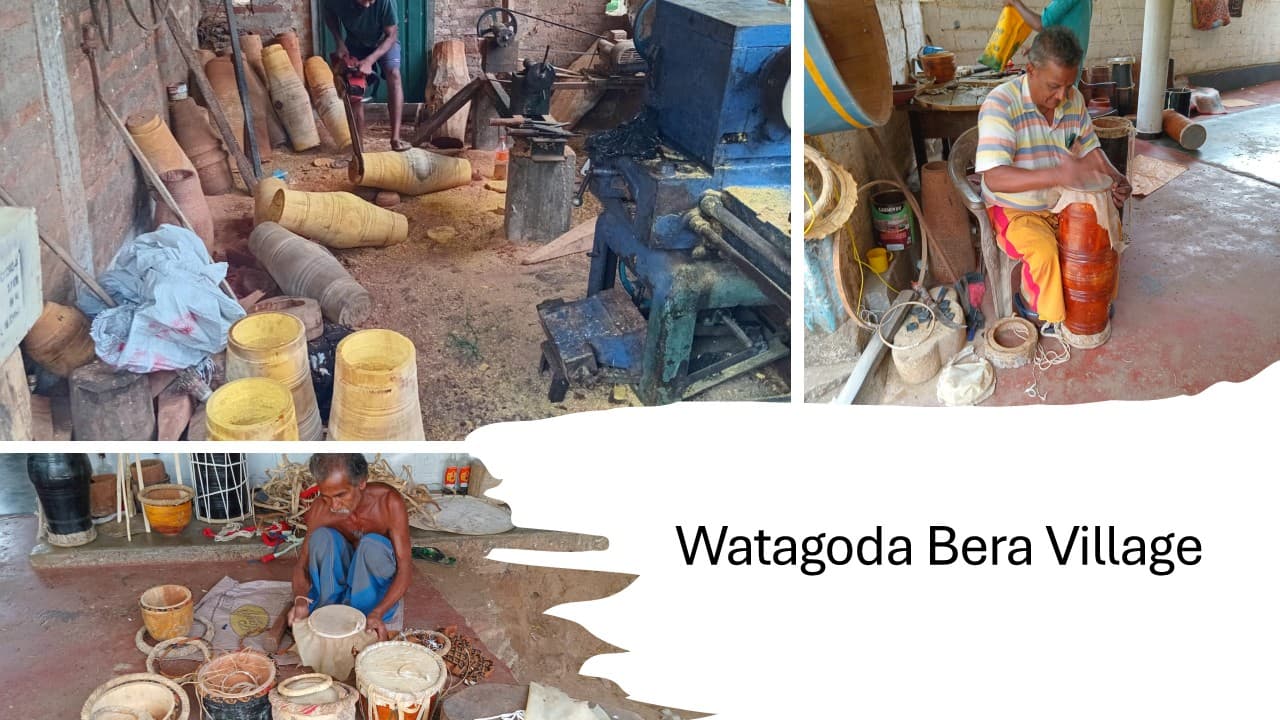
Around thirty households who make drums by hand, carving jak, margosa and kitul wood. The craft has stayed in the village across generations and the workshops can be visited.

A cave temple established in the reign of King Suratissa, between 247 and 237 BCE. It holds old murals and two footprints of the Buddha carved directly into the rock.

Built between 1798 and 1815 under King Sri Vikrama Rajasinghe. The Kandyan-period murals survive intact, alongside an ancient stupa on the same grounds.

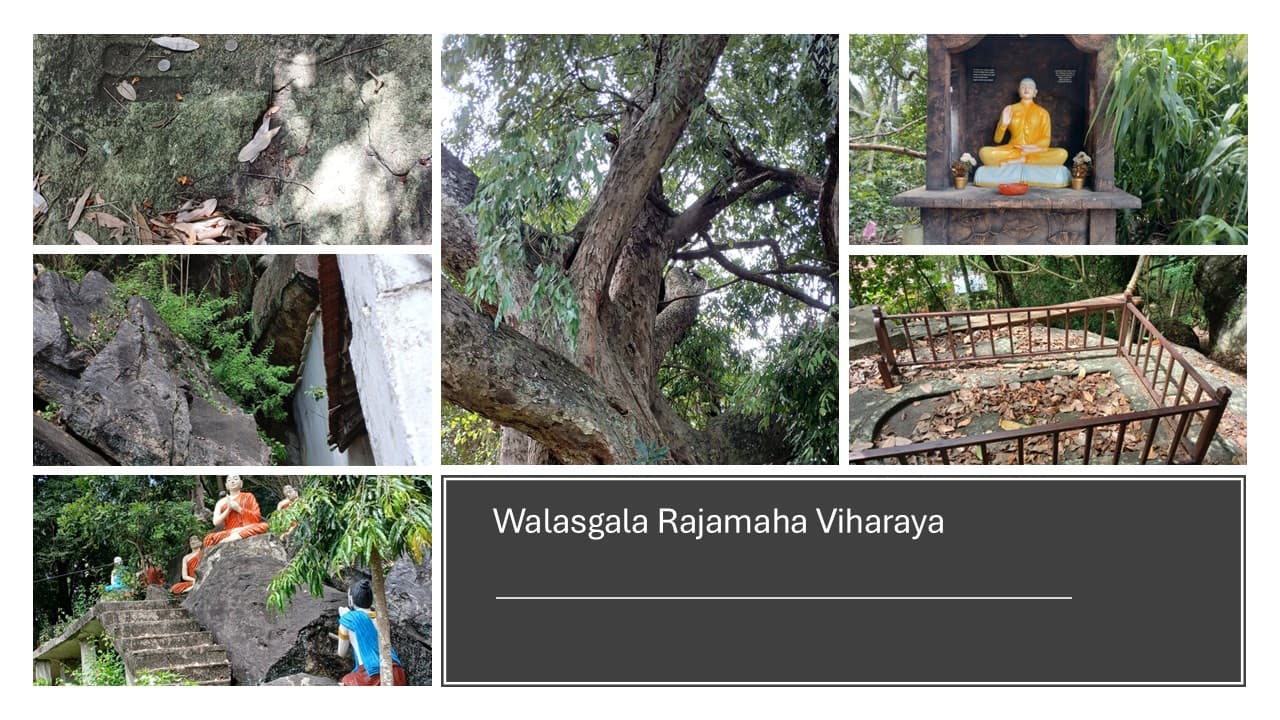
A monastery of the Anuradhapura period built around a complex of caves, with an eighteen-cubit reclining Buddha. The climb to the summit opens out across the whole division.

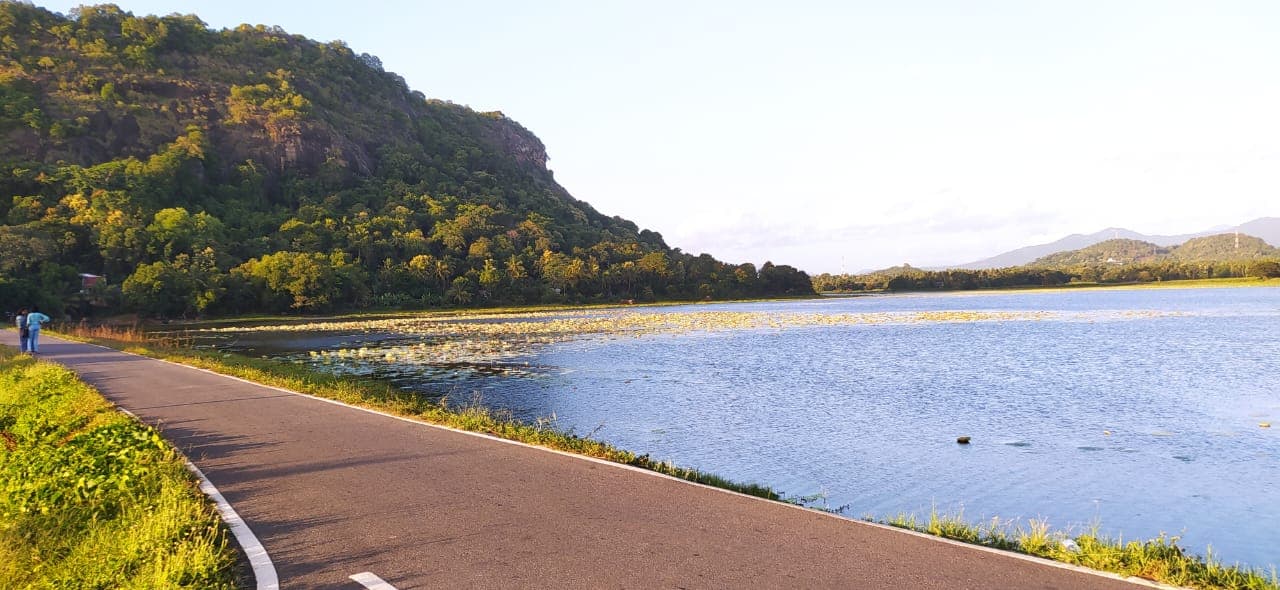
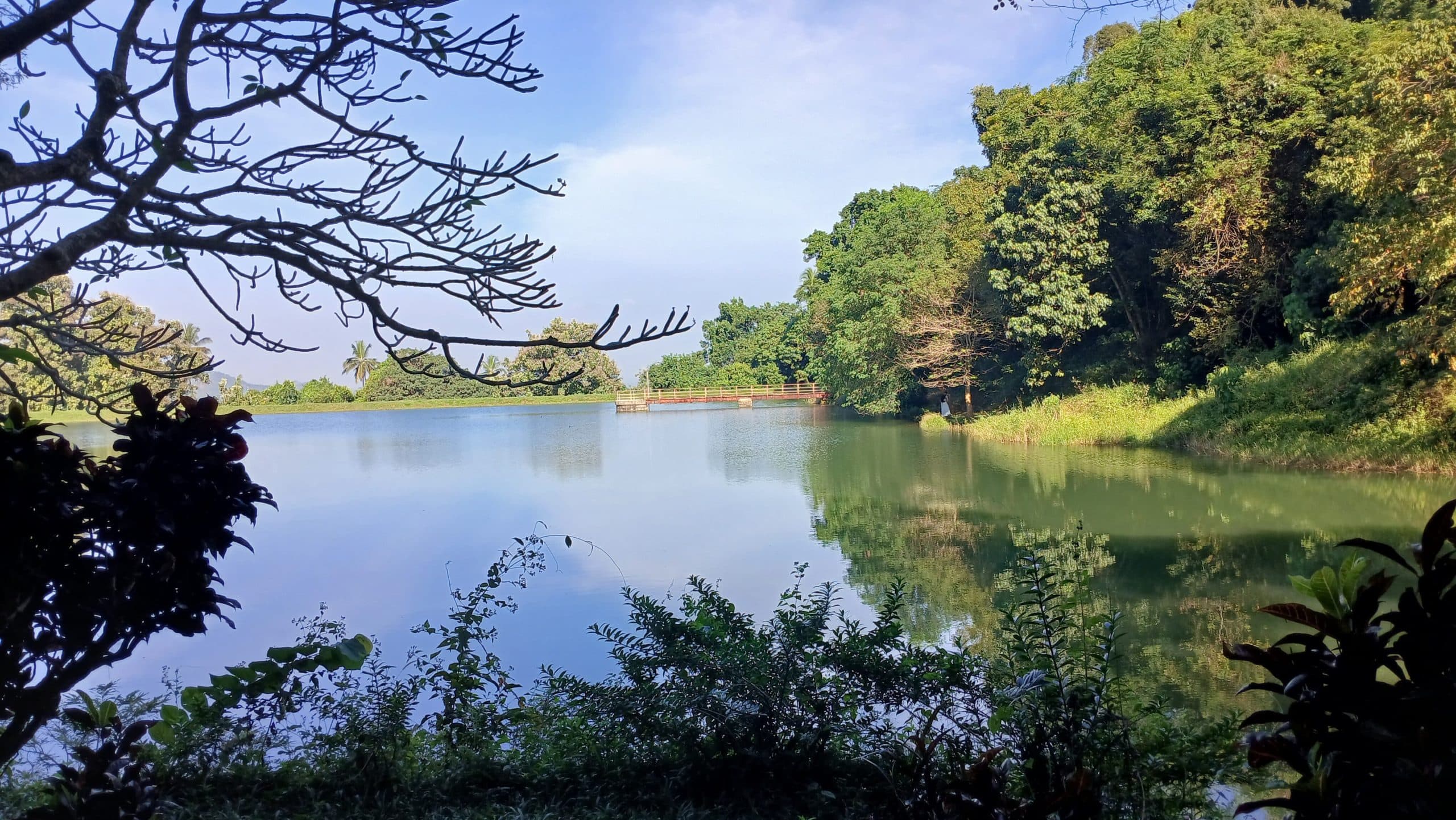
A reservoir lying five hundred metres from the Central Expressway, looking out to the mountain ranges beyond. Best in the early morning, before the haze settles.

Established in 1753 under King Kirti Sri Rajasinghe, with its Kandyan architecture still intact. Among the stonework is a slab bearing the print of an elephant's foot.

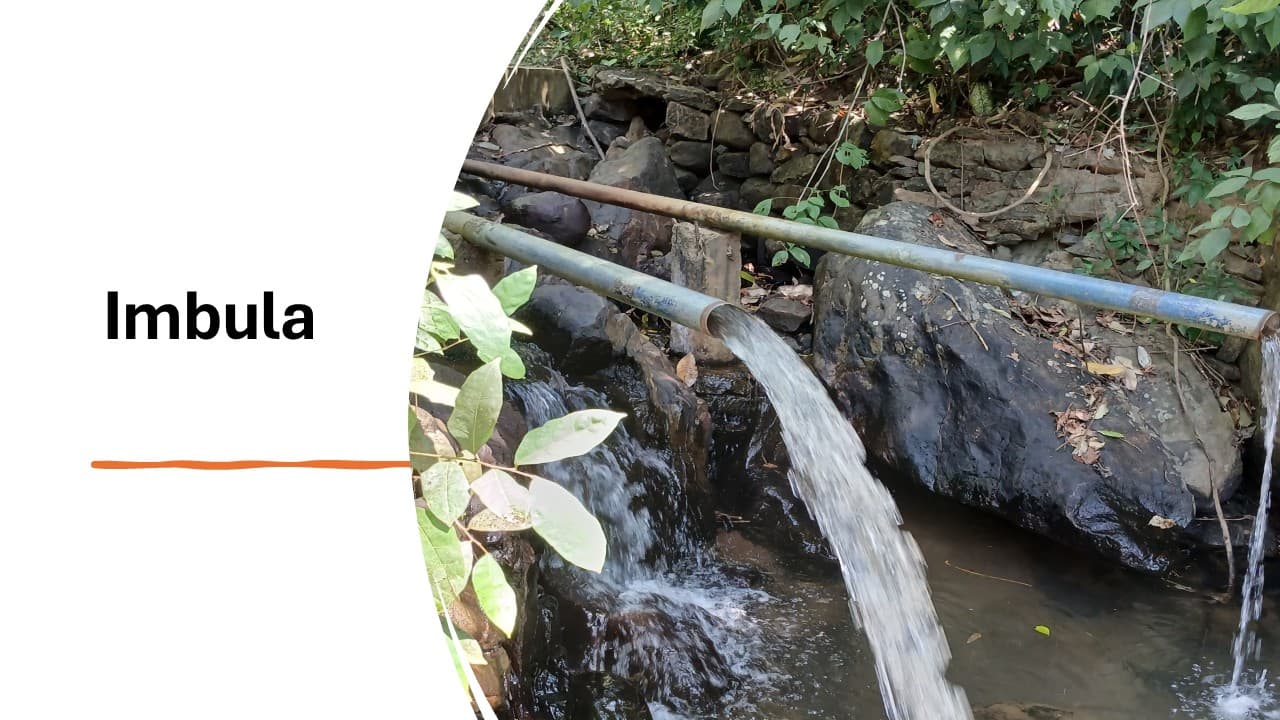
A kilometre from Katupitiya, a stretch of clear water people come to bathe in and sit beside. Busiest on weekends and holidays.

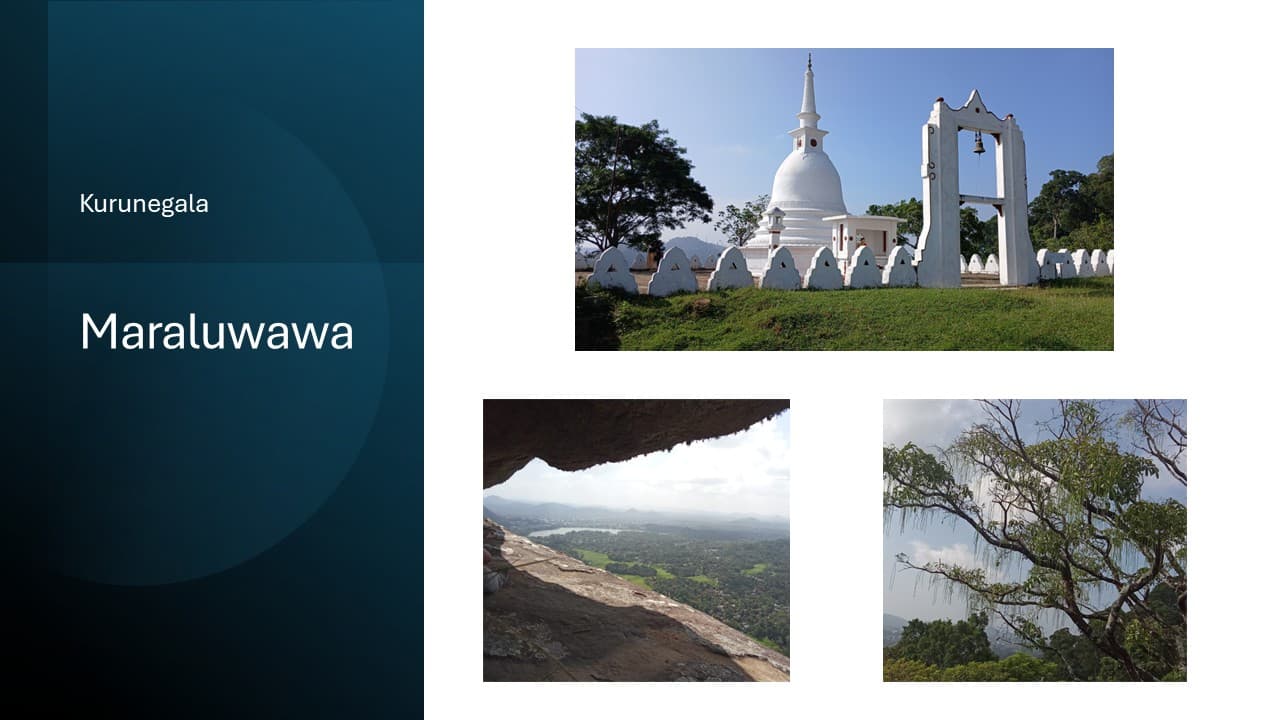
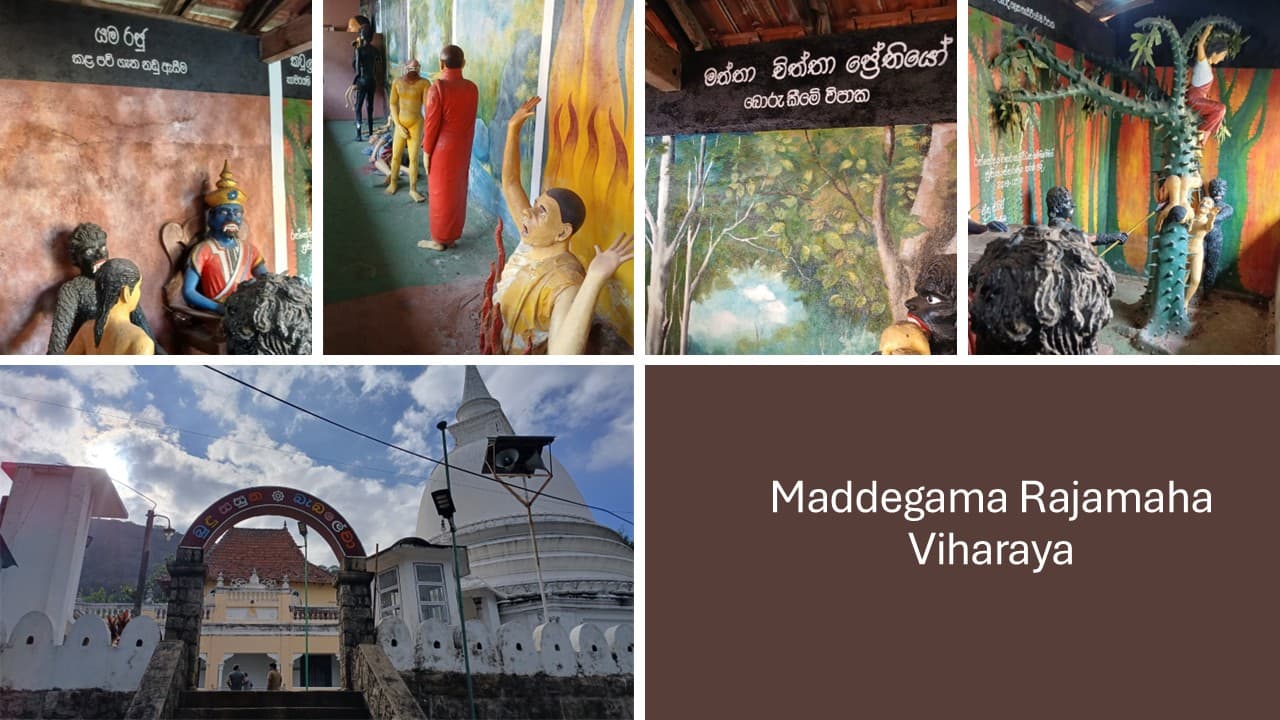
Five hundred metres from Maraluwa temple, with wall paintings setting out the teachings of the Buddha. Easily seen on the same visit as its neighbour.

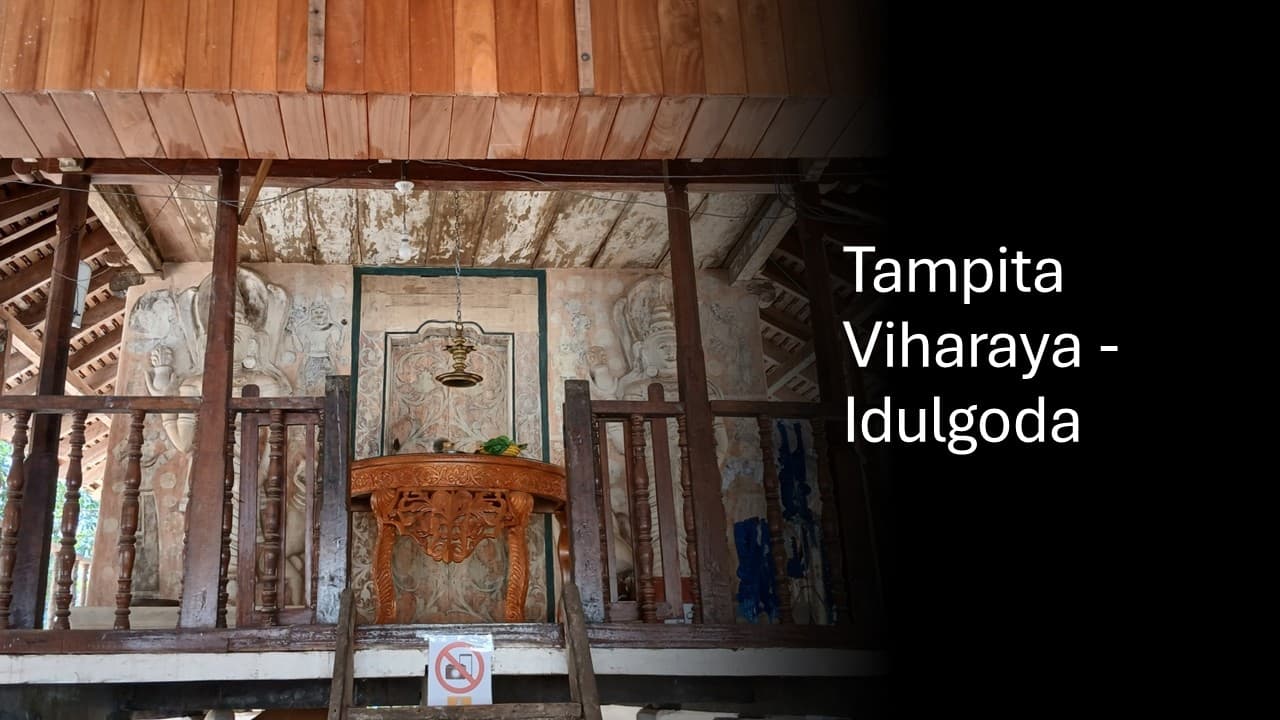
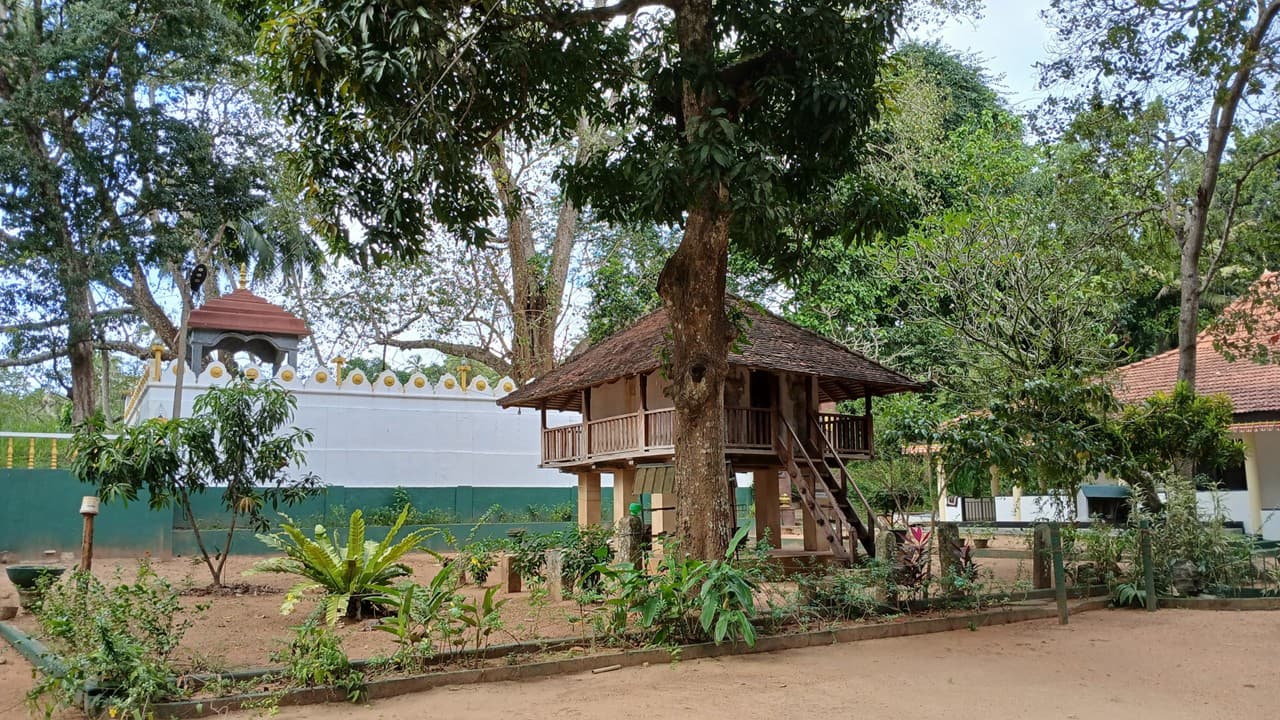
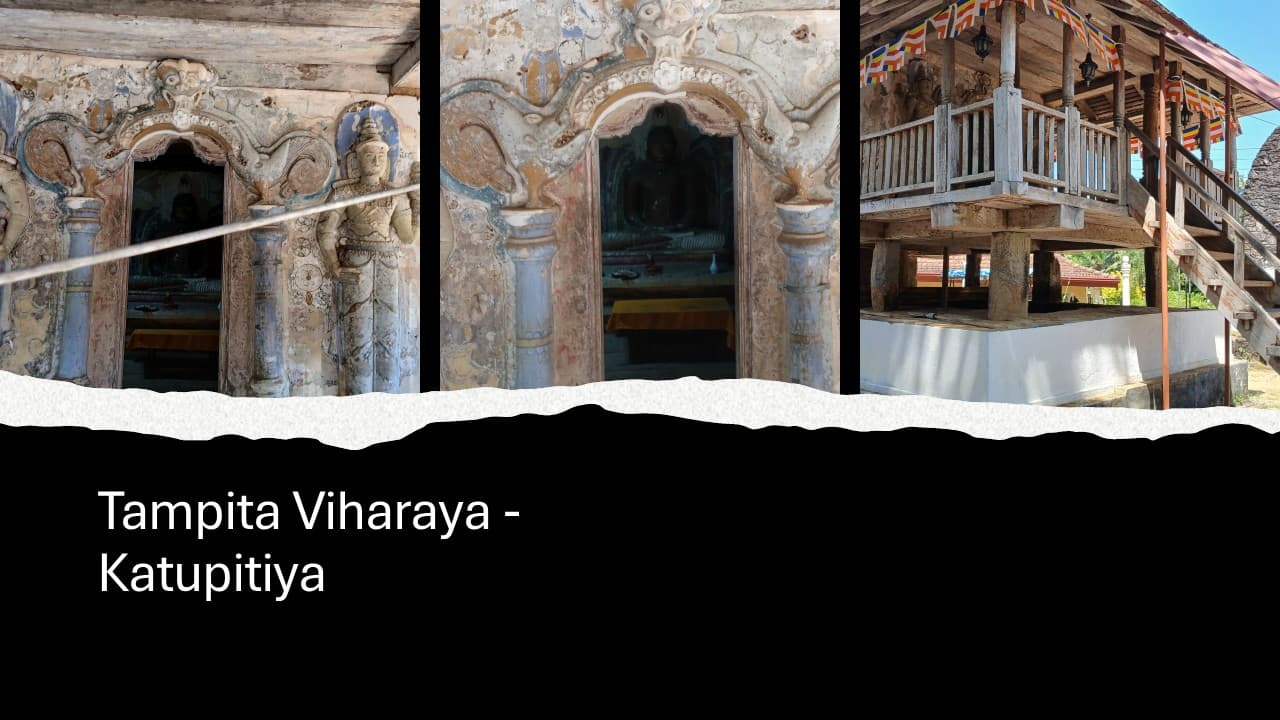
An old tampita viharaya raised on stone pillars, standing on the road out to the Pinnawala elephant orphanage. A short stop on a longer journey.
Several of these are active places of worship. Dress modestly, remove footwear and hats at the image house, and ask before photographing people or murals. The forest reserve has marked trails — stay on them.